What We Paid for 2 Hectares of Bare Land in New Zealand
Buying our land happened much faster than I expected.
At the time, I wasn't even in New Zealand.
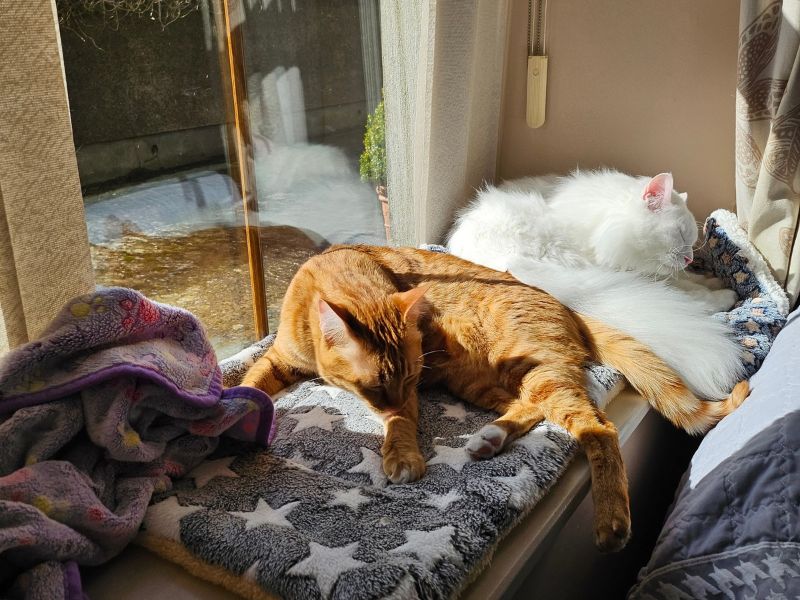
I was still in the UK with Snowball and Biscuit, waiting for the cats to be cleared to travel, while Paul had already flown back to New Zealand.
We'd sold our previous house and were going through the final settlement process. Paul came back ahead of me to make sure everything with the house was tidy, looked after and managed properly before settlement.
And while he was here, he started looking for land.
Looking for Land While I Was on the Other Side of the World
For us, buying land wasn't just about finding somewhere to build a house.
We wanted enough space for what we were planning long term: our own home, a separate granny flat for Mum, sheds, gardens and room to grow more of our own food.
So while I was still in the UK, Paul was doing a lot of the physical searching.
He'd send me property listings, screenshots and links, and then he'd go and look at the ones that seemed promising.
I'd get videos from him walking around properties so I could see what he was seeing.
It was a slightly unusual way to look for land, with one of us physically in New Zealand and the other on the opposite side of the world, but by the time I finally got back we already had a shortlist.
Arriving Back in New Zealand With the Cats
The reason I couldn't come back with Paul was Snowball and Biscuit.
They weren't yet cleared to leave the UK, and we had to wait for the required vaccination period to pass before they could travel.
So I stayed behind with them.
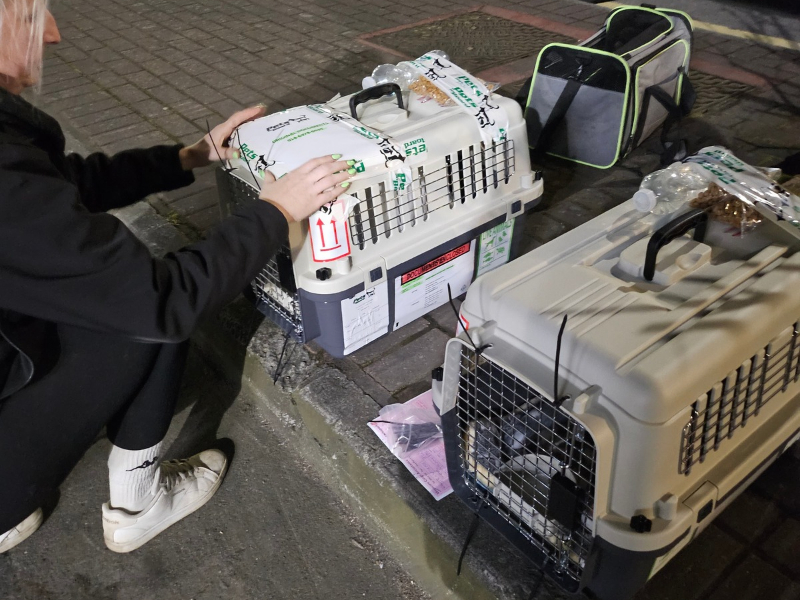
Once everything was finally sorted, I flew back to New Zealand with the cats and went to see the properties Paul had shortlisted.
And things moved very quickly from there.
Within a week of arriving back in New Zealand, we'd made an offer on the property that would become our land.
What We Paid for 2 Hectares of Bare Land
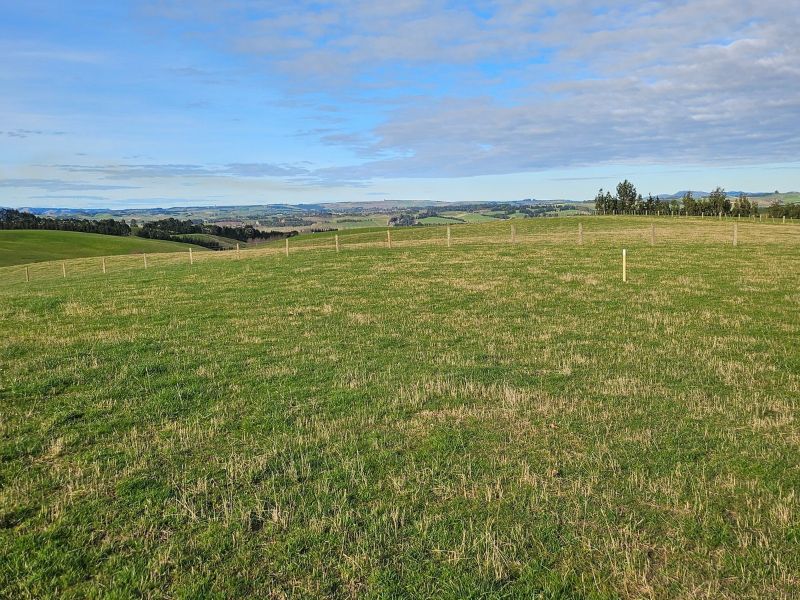
The asking price for the two hectares of bare rural land was NZD $235,000.
We made our first offer on 15 April 2026.
There was some negotiation and on 20 April we made our second offer.
We negotiated $5,000 off the asking price, and our offer of NZD $230,000 was accepted.
We paid cash for the land, so there was no mortgage attached to the property.
For us, that was important because buying the land mortgage-free was the foundation of our plan for the whole project.
Why We Chose Bare Land
There was no house waiting for us.
That was actually part of the attraction.
We wanted the opportunity to start from scratch and decide where things would go ourselves rather than buying somebody else's finished property and trying to adapt it to what we wanted.
The two hectares gave us enough space for the different parts of the property we're planning: our main house, Mum's granny flat, sheds and areas where we can grow more of our own food.
Buying the Land Without a Mortgage
Our goal isn't to build everything as quickly as possible.
We're building according to what we can afford, paying for each stage as we go rather than borrowing to get everything finished at once.
That means the project may take longer, but it also gives us much more control over what we spend and when we spend it.
The same principle now applies to the things we're adding to the property as we build.
From Accepted Offer to Owning the Land
Once our offer had been accepted, the paperwork and settlement process followed.
Settlement took place on 25 May 2026.
So the timeline looked like this:
15 April 2026 — First offer made
20 April 2026 — Second offer made
Offer accepted at NZD $230,000
25 May 2026 — Settlement completed and the land was ours
Just over a month after making our first offer, we owned two hectares of bare rural land outright.
That was when the project really changed.
Until then we'd been looking at plans, properties and possibilities.
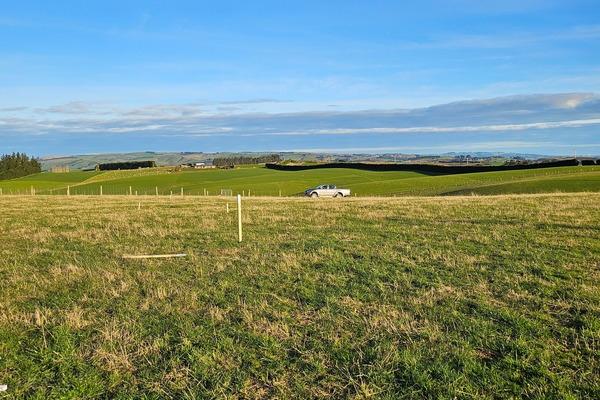
Now we had an actual paddock and could start working out how we were going to turn it into the place we'd imagined.
Starting With Completely Bare Land
Buying bare land also meant accepting that almost everything needed to be created.
There was no house.
There wasn't a ready-made building site.
We needed to think about access, excavation, electricity, water, wastewater, buildings and all the other infrastructure that comes with starting on an empty piece of rural land.
Our first major building project is a 9 × 12 metre pole shed, which gives us somewhere to live temporarily, work and store things while we move on to the next stage.
After that comes Mum's granny flat, and eventually our main house.
We're also planning areas for growing food and the other things we want to add as the property develops.
It means we're not simply documenting the cost of building a house.
We're documenting what it actually takes to turn bare land into a functioning property.
The Land Price Was Only the Beginning
The biggest thing we've learned so far is that the NZD $230,000 purchase price was only the starting point.
There are a lot of costs that happen before you ever start building a house.
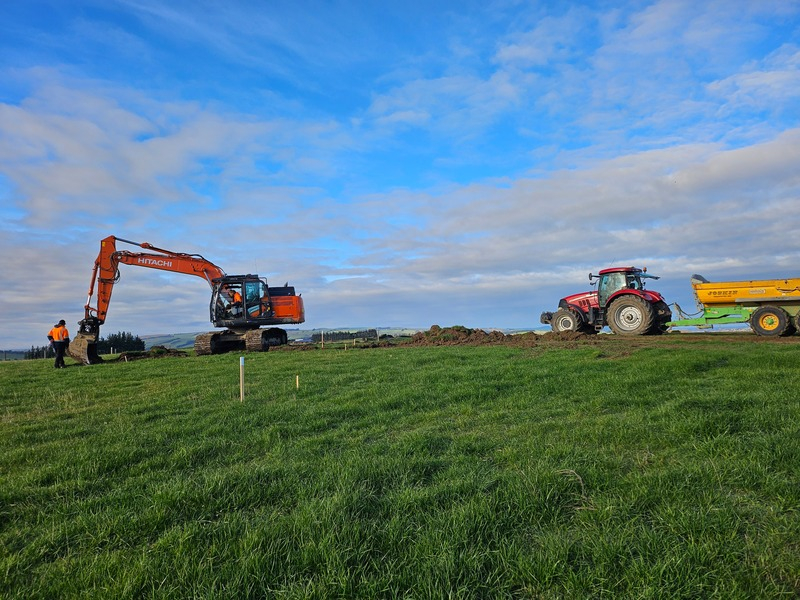
We've already had costs for site preparation, excavation, getting electricity onto the property, engineering and planning, our pole shed, concrete and the temporary setup we're using while we build.
That's why we're tracking the costs as we go.
We're also tracking how long the different stages take, because the timeline on paper and what happens in real life aren't necessarily the same thing.
Weather, contractors, materials and the order jobs need to happen in can all affect what comes next.
From a $230,000 Paddock to Our Mortgage-Free Home
On 15 April 2026, we made our first offer.
On 20 April, we made our second.
We agreed on a price of NZD $230,000.
And on 25 May, the land officially became ours.
At that point it was essentially a paddock.
Now we're slowly turning those two hectares into the property we want to live on long term.
We're doing as much of the work ourselves as we reasonably can, bringing in professionals where they're needed, tracking the costs and paying for the project as we go.
There's still a very long way to go.
But this is where it started.
Follow the Build
If you'd like to follow the practical side of the project, we're documenting our build costs, site preparation, services, pole shed and the rest of the process here on the website.
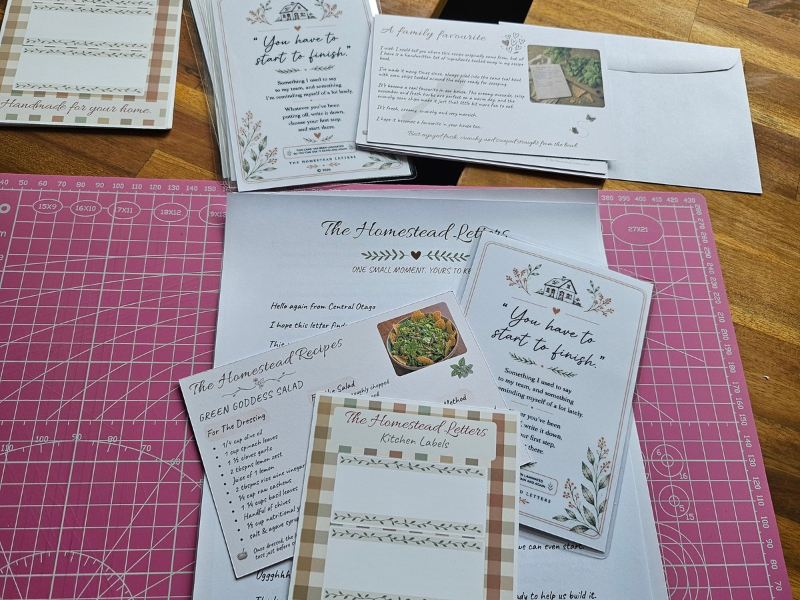
And if you'd like the more personal version of the story, The Homestead Letters is our monthly physical letter from the build.
Each month we share what's happened, what we've learned, the wins, the mistakes and the parts of the journey that don't always make it onto social media.
We're documenting it as we turn this paddock into our mortgage-free home in New Zealand.