What It Actually Costs to Set Up a Mortgage-Free Lifestyle Block in New Zealand
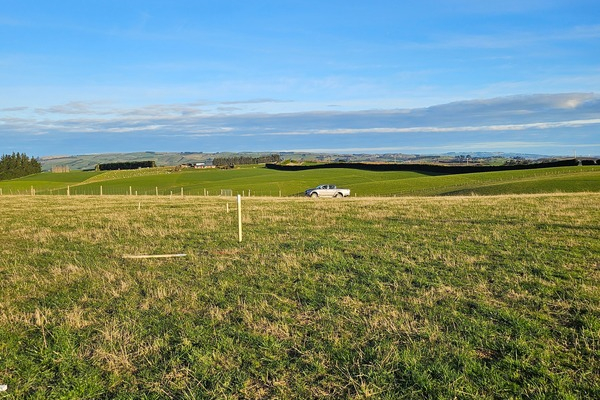
We’re building a mortgage-free home on two hectares of grass in New Zealand, and the biggest lesson so far is that turning bare land into a liveable site costs money long before a house is finished. In our case, the upfront spending has already included excavation, mains power brought onto the land, a $29,000 caravan, a consultant builder, and a professional team to pour and finish the concrete floor. We’re paying for each stage as we go, and we’re trying to avoid owing money when it’s all finished.
Key facts
- We’re building a mortgage-free home on a paddock of two hectares in New Zealand.
- We paid for excavation work to prepare the property.
- We paid to have mains power brought onto the land.
- Our caravan cost $29,000.
- A consultant builder is helping with the shed build.
- We brought in a professional team to pour and finish the concrete floor.
- A local farmer brings sheep onto the paddock to keep the grass down.
- We plan to continue bringing in professionals as the project progresses.
- We’re paying for each stage as we go and aiming to avoid owing money at the end.
What does it actually cost to set up a mortgage-free lifestyle block in New Zealand?
For us, the cost is not one single bill. It is a series of practical expenses that add up before the home is even fully in place. When you start with a bare paddock, the site itself needs work, services need to be connected, and somewhere to live while building has to be sorted out. That is why the early costs matter so much.
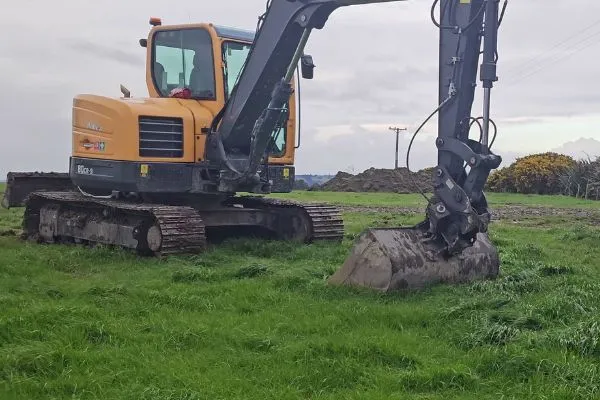
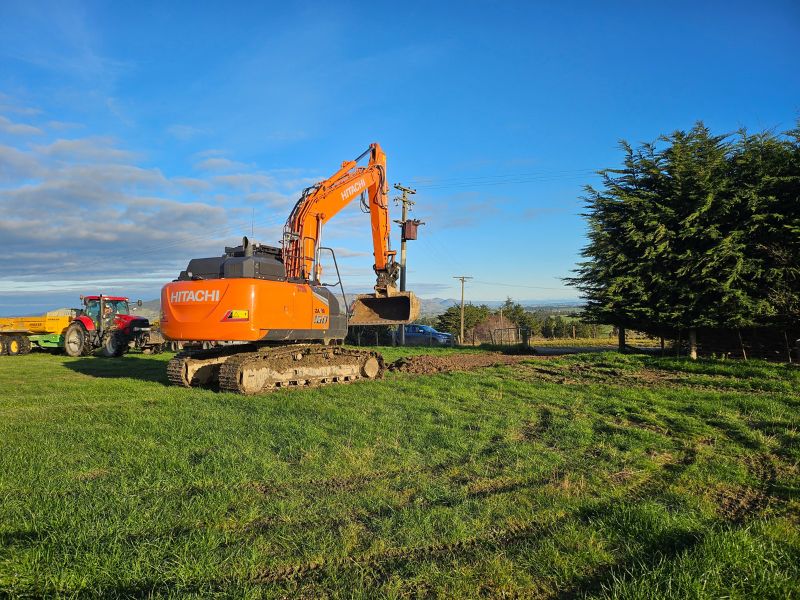
Our project is on two hectares of grass, so the starting point was a simple block rather than a finished residential site. That meant we had to spend on getting the land ready. We paid for excavation work first, because the site needed preparation before other steps could happen. After that, we paid to have mains power brought onto the land. Those are the kinds of early expenses that can be easy to underestimate when people talk about buying land and building later.
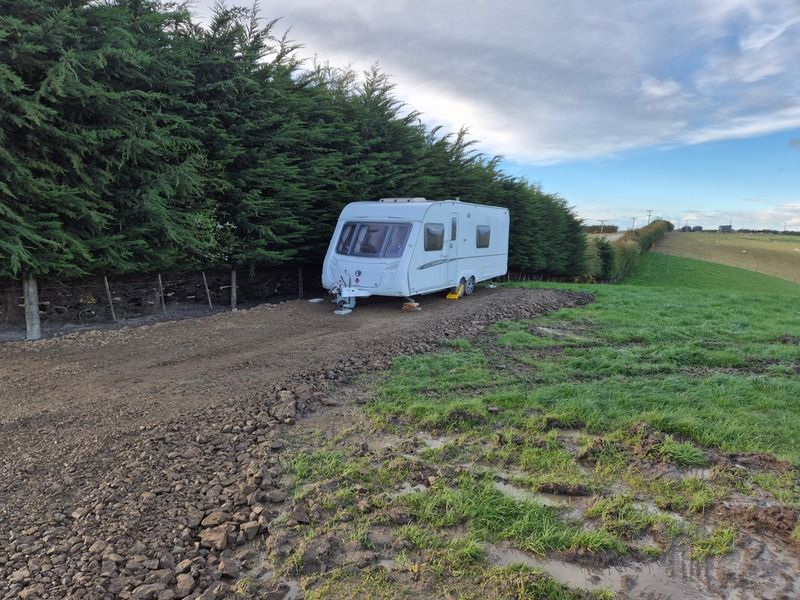
We also bought a caravan for $29,000. That cost is part of the reality of making a bare site workable while the main build is still underway. For us, the caravan is part of the setup cost of living on and managing the block while the bigger project continues.
The first costs are about making the land usable
A lifestyle block sounds like land you can simply move onto, but our experience shows there is usually a step between owning the land and living on it comfortably. The first money went into preparing the property itself.
The excavation work was one of those necessary early jobs. We paid for it because the site needed to be shaped and made ready for what comes next. On a paddock like ours, that kind of work is part of turning grass into a place where a home and supporting structures can actually function.
Mains power was another major step. We paid to have mains power brought onto the land, and that is the kind of cost that changes the whole practicality of a build. Without power on site, everything becomes harder. With power, the project becomes much more workable, but the connection itself is not free.
These early expenses are easy to overlook because they are not the finished home. They are the groundwork. In our build, groundwork has been a real part of the budget.
What did we spend on temporary living?
Our caravan cost $29,000. That is a clear, concrete number in our project, and it shows how temporary living arrangements can become a major line item in a build budget.
For a mortgage-free lifestyle block, temporary accommodation is not just a comfort cost. It is part of how the project can keep moving while the main build is underway. In our case, the caravan gives us a way to stay on the project while paying stage by stage. That matters because we are trying to avoid owing money when the build is finished.
When people ask what it costs to set up a block like this, the answer usually includes more than land preparation. It includes the practical cost of living through the process. Our caravan is a good example of that.
Why are we bringing in professionals?
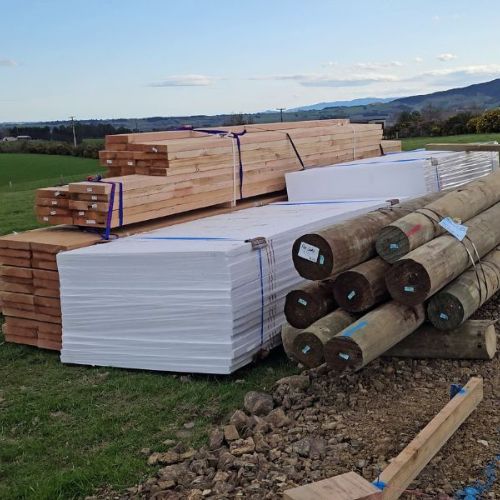
We are doing this project in stages, and we are not treating every part as a do-it-yourself job. A consultant builder is helping with the shed build, and we brought in a professional team to pour and finish the concrete floor.
That approach has cost implications, but it also reflects how we want the project to run. We are happy to bring in professionals where it makes sense, and we plan to continue bringing in professionals as the project progresses. For us, that is part of doing the job properly while still keeping control of the financial side.
The concrete floor is a good example. Pouring and finishing concrete is one of those jobs where getting the right people in matters. We chose to bring in a professional team rather than trying to do that stage ourselves. The consultant builder supporting the shed build is another example of using experience where it is useful.
This doesn’t mean every stage is outsourced. It means we are choosing carefully where to spend money and where to keep moving the project forward ourselves.
How does grazing sheep fit into the cost picture?
A local farmer brings sheep onto the paddock to keep the grass down. That is not one of the major capital costs, but it is part of the way the block is managed while the bigger build is happening.
On a two-hectare grass block, keeping the grass under control matters. Having sheep brought in is a practical part of looking after the land, and it fits the broader picture of making a raw site workable without turning every task into a major project.
For us, the point is that setting up a lifestyle block includes ongoing management as well as building costs. The block does not stop needing care just because work has started.
What we’ve learned about paying as we go
Our main financial strategy is simple: pay for each stage as we go and avoid owing money at the end. That is the core of the mortgage-free approach in our build.
That does not mean the project is cheap. It means the costs are being dealt with as individual decisions rather than bundled into a bigger debt. Excavation, mains power, the caravan, concrete work, and help from a consultant builder all sit in that same pattern of staged spending.
This approach gives us a clearer view of what each part of the project actually costs. It also forces us to make decisions one step at a time. We can see the direct cost of one stage before committing to the next.
For anyone looking at a similar lifestyle block in New Zealand, that is probably the biggest takeaway from our experience: the upfront cost is not one figure. It is a string of real expenses that start with the land and continue through the build.
What is included in our early setup costs?
From our project so far, the early setup costs have included:
- preparing the site with excavation work
- bringing mains power onto the land
- buying a caravan for $29,000
- paying a consultant builder to help with the shed build
- hiring a professional team to pour and finish the concrete floor
Those are the approved costs and project steps we can point to directly. They are the real parts of turning a grass paddock into a liveable site.
What is not counted here?
We are not treating every future stage as already spent. We also are not claiming that these are the only costs a lifestyle block will ever involve. Our project is still progressing, and we have said we will continue bringing in professionals as needed.
That matters because a mortgage-free build is a process. Some costs have already been paid. Some are still ahead. We are keeping the financial picture honest by separating what has already happened from what comes next.
FAQ
How big is the block?
It is a paddock of two hectares.
Did we borrow to cover the early costs?
No. We are paying for each stage as we go and trying to avoid owing money when we finish.
What was one clearly stated cost in the project?
Our caravan cost $29,000.
Did we use professionals on the build?
Yes. A consultant builder is helping with the shed build, and we brought in a professional team to pour and finish the concrete floor.
Setting up a mortgage-free lifestyle block in New Zealand takes more than buying land. In our case, it has meant paying for excavation, mains power, a $29,000 caravan, professional help, and the ongoing work of keeping the paddock manageable while we build. We’re sharing the full journey through The Homestead Letters, our monthly snail mail subscription, where readers can follow more of our homestead and building journey through a physical letter delivered to their mailbox.