What It Really Costs to Build on Bare Land in New Zealand Before the House Starts
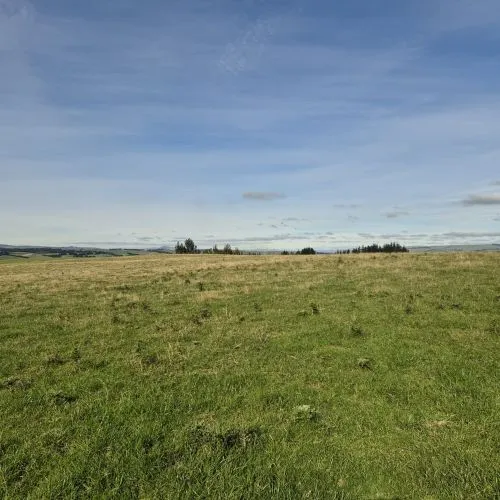
When people talk about building a home, the conversation usually jumps straight to the house itself. We tend to picture the framing, cladding, roof, kitchen, and all the visible parts that make a home feel real. But if you are starting with bare land in New Zealand, the spending begins long before any house goes up. In our case, the work has started on an empty paddock, and the pre-build costs have already shown us something important: the land itself is only the beginning.
This is the stage where the property has to be turned into something a future home can actually sit on. That means power on site, proper access, excavation, planning, and practical storage. It also means dealing with the sort of expenses that do not look very glamorous but are absolutely necessary. We are learning quickly that costs add up surprisingly quickly when you are preparing bare land for a build.
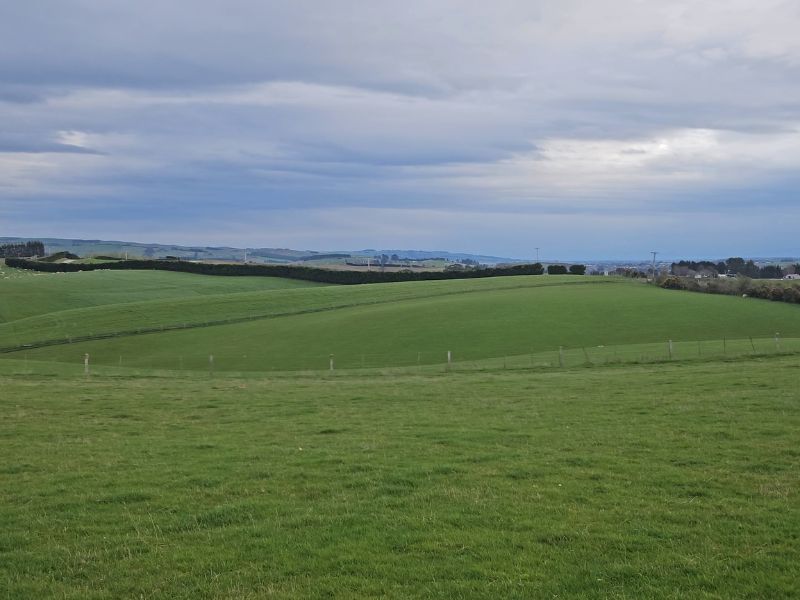
Starting with an empty paddock
Buying bare land feels simple at first because there is no existing house to work around. There is no demolition, no old fittings to remove, and no renovation decisions to make. What there is, though, is a long list of things that need to happen before normal building can begin.
Our place started as bare land, and the first job was to think about how the property would function as a future home site. A house cannot just appear on an empty section without the surrounding basics being sorted out first. We needed a driveway and proper access. We needed power on site. We needed a plan for water. We also needed to think about where a shed, caravan area, and future home would sit.
That early stage can feel slower than people expect because much of the work is invisible once it is done. The end result may look like a simple cleared area, but behind that are excavation, design work, and practical decisions that all cost money.
Access comes first
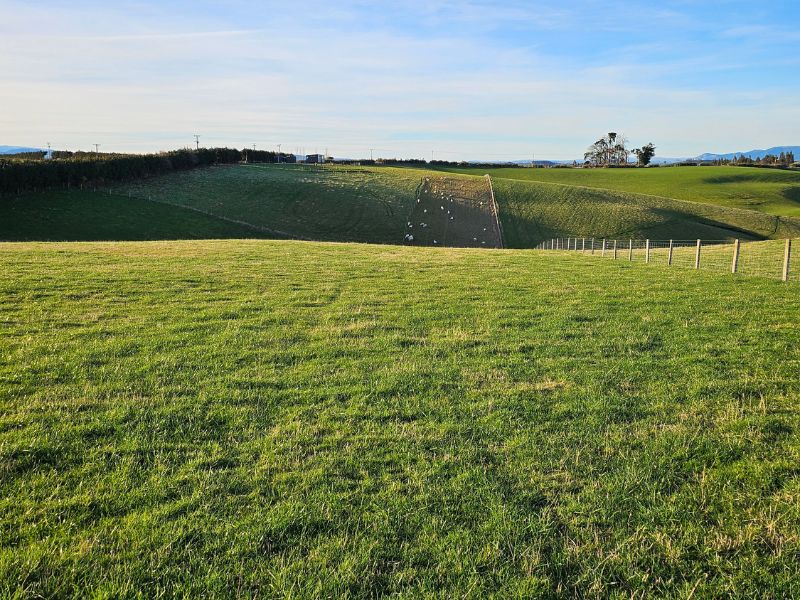
One of the first realities of building on bare land is that access matters more than you might think. A property can look usable, but if there is no proper driveway or workable access, everything becomes harder and more expensive. Materials, equipment, and vehicles all need a way in and out.
For us, getting a driveway and proper access in place is part of making the site ready for the next stages. It is one of those jobs that sits before the house build but affects everything that comes after it. If access is awkward, every other part of the project becomes more difficult. If it is sorted early, the whole site becomes more practical to use.
That is a good lesson for anyone planning a new build on bare land. The land might be cheap compared with a finished section, but the groundwork needed to make it build-ready can add up fast.
Power on site is a major early cost
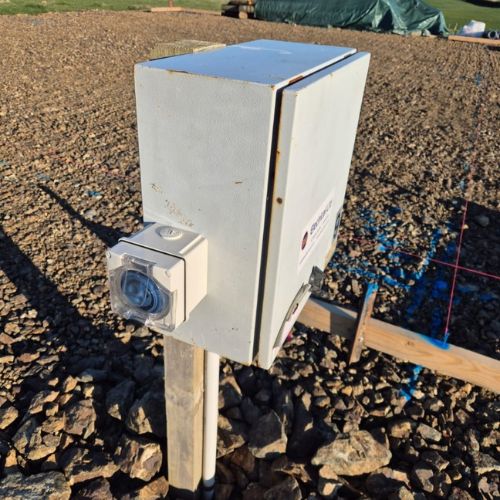
Another major step for us has been getting power on site. That is one of the early expenses that people can underestimate because it sits outside the house budget in the mind, even though it is part of making the property liveable and buildable.
Once you are on bare land, you are often paying for basic infrastructure before there is anything resembling a home. Power is one of those things that affects the entire build process. It matters for tools, temporary living, future construction, and everyday use of the property.
If you are planning a build on bare land, it helps to think of power not as an optional extra, but as one of the foundational jobs. It is part of turning an empty piece of land into a functioning home site. In our case, it is part of the spending that started before the house itself.
Excavation for the shed site and caravan area
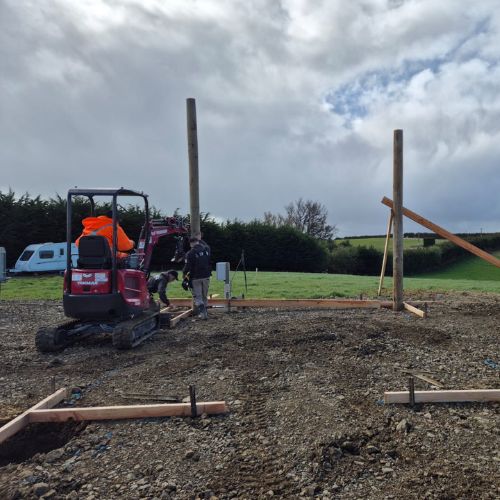
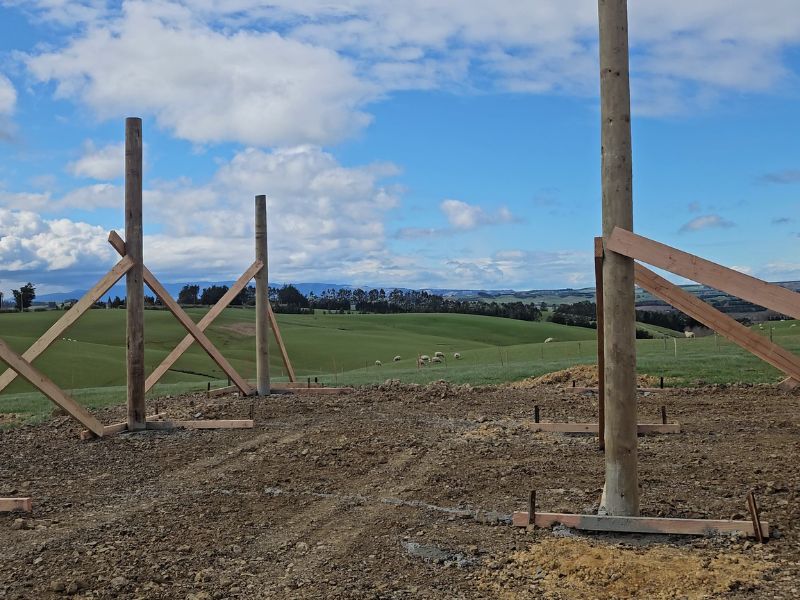
We have also done excavation work to prepare the shed site and a solid caravan base. That sort of earthworks can sound straightforward, but it is another area where the costs start stacking up.
When you are building on bare land, you are not just buying materials and waiting for them to be assembled. You are shaping the land itself so that structures can sit properly on it. Excavation is part of that process. A shed needs a suitable site. A caravan needs a stable base. Each job is part of making the property usable in the meantime while the bigger home plan continues.
This stage is practical, but it is also strategic. We are not only preparing for later, we are creating a workable place to live and store things during the journey. The land has to support the way we are using it now, while still setting us up for what comes next.
The shed comes first
Our shed is being built first on the property. That decision shapes a lot of the spending at this stage because the shed is part of the immediate function of the site, not just a future convenience.
A lot of people picture the home build as one neat project with a clear start and finish. In reality, on bare land, there can be several layers before the house. A shed can come first because it provides useful space and helps the rest of the project run more smoothly. It gives us a place to work from, store things, and support the broader build process.
That also means the shed stage carries its own costs, separate from the future house. If you are budgeting for bare land, it is important to remember that early structures often come before the main build and need to be accounted for in their own right.
Secure storage matters more than we expected
We also bought a 40-foot shipping container for secure, dry storage during the build. This is one of those purchases that makes sense quickly once you are actually on the land.
When there is no finished house yet, safe storage becomes a real issue. Building materials, tools, and personal belongings all need somewhere protected. A shipping container gives us a dry place to keep things secure while the property is still a work in progress.
This is another pre-build cost that people may not think about straight away when they are dreaming about a future home. It is not part of the visible house, but it supports the whole project. It also helps protect the things we need along the way, which matters when the site is still being developed.
Planning is part of the price
There is also a lot of planning involved before the house can begin, including septic design, engineering plans, and council requirements. These are the quieter costs of a build, but they are essential.
When you buy bare land, you are not just buying a place to put a house. You are stepping into a process that has to meet local requirements and work in practical terms. Septic design has to be considered. Engineering plans have to be prepared. Council requirements have to be followed. None of that appears in the finished picture, but it is a real part of the upfront cost.
This stage takes time and money because the property has to be designed to function properly before the house starts. It is a reminder that the paperwork and technical side of a build are not side issues. They are part of making the whole project possible.
Water changes the way you think about the site
We do not have a town water supply at the property, so water has become part of the early planning too. Until roof catchment is available, we are bringing water in by filling containers and trucking it to the property.
That reality changes how we think about everyday living on the land. Water is not just a tap you turn on and forget about. It becomes something you manage carefully because there is no town supply to rely on.
If you are planning to build on bare land, this is another cost area that can be easy to miss at the start. Water access affects comfort, logistics, and the way the site operates before the house is finished. Until the property has roof catchment, we need to keep thinking practically about how water gets there.
Why the costs feel bigger than expected
The biggest lesson so far is that the costs are not limited to the house build itself. Before we ever get to the main dwelling, there are already several layers of spending: access, power, excavation, storage, planning, and water management.
That is why bare land can be more expensive than it first appears. A section without a house might seem like a blank slate, but turning it into a home site involves a lot of behind-the-scenes work. Each part may feel manageable on its own, yet together they become a significant investment.
We are keeping track of everything as we go because it is easy for small costs to blend into the background. Once you are buying materials, arranging services, and handling practical site needs, the spending can move quickly. That is exactly why we are paying attention now rather than waiting until the house build begins.
The goal behind all the groundwork
All of this work has a clear purpose. The goal is to turn the paddock into a mortgage-free home.
That goal shapes the way we approach the project. We are not only trying to build a house; we are building toward a way of living that makes sense long term. Every step on the land matters because it brings us closer to that future home.
Seeing the costs laid out early can feel sobering, but it is also useful. It gives us a more realistic picture of what it takes to build from scratch on bare land in New Zealand. It reminds us that a home is not only the structure itself. It includes the land preparation, the infrastructure, the storage, the planning, and the services that make the site workable.
Keeping track and sharing what we learn
We are keeping track of the spending as the project moves forward, and we plan to share the costs in videos. That matters because these early expenses are easy to overlook when people talk about building.
If you are planning a new build on bare land, it helps to know what sits before the house stage. Access, power, excavation, storage, and planning are not optional extras in our experience. They are part of the real cost of getting a property ready.
For us, this has been a practical learning curve. Every decision on the land has financial consequences, and those consequences show up quickly. The work may not be finished yet, but the early costs have already taught us a lot about what it really takes to begin.
When we started on this empty paddock, we knew there would be groundwork. What we have seen so far is that the groundwork is substantial. It is a stage with real costs, real planning, and real value because it sets everything up for what comes next.
We will keep documenting the journey as we go, and if you want to follow more of our homestead and building story in a more personal way, The Homestead Letters is our monthly snail mail subscription, where readers can follow more of our homestead and building journey through a physical letter delivered to their mailbox.