What It Actually Cost to Build a Comfortable Shed in New Zealand
When people talk about building a shed, they often mean something basic: a place to store gear, park a vehicle, or keep the weather off tools and machinery. Our project is different. We wanted a 9x12 metre shed in New Zealand that was more comfortable than a standard rural shed, because we are planning to live in it temporarily while we build a granny flat. The long-term goal is to turn the paddock into a mortgage-free home in New Zealand, and this shed is part of that bigger plan.
That makes the numbers worth unpacking properly. A lot of shed builds get discussed in vague terms, but when you are trying to create something more liveable, the cost picture changes quickly. Once we started looking at the pieces that matter for comfort and practicality, we could see where the money was going and what was included in our total.
The shed itself
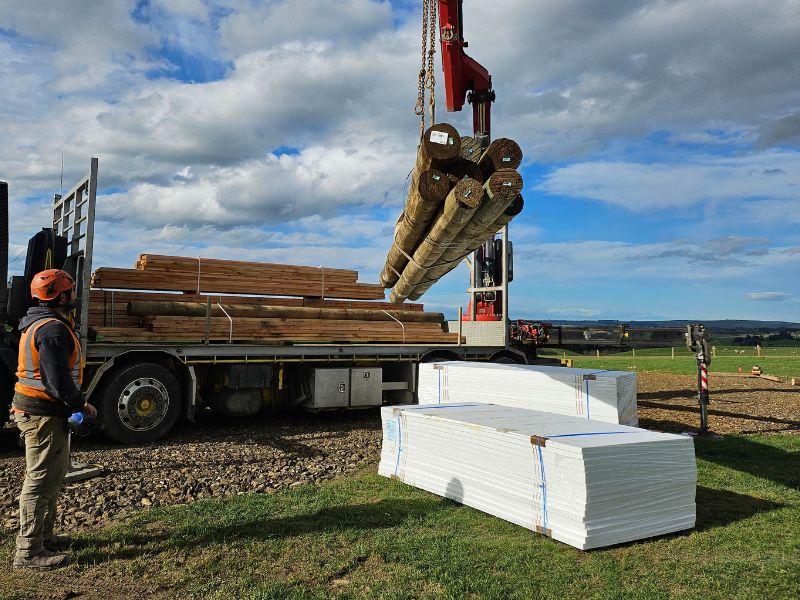
The shed kit set cost was around $27,000. That is the base that gets the project moving, and in our case it was a major part of the overall spend. We were not looking at a bare-bones rural shell that would simply stand there and do one job. We wanted a structure that would support temporary living, work alongside future buildings on the property, and still make sense as part of the whole site later on.
That is where the idea of a more comfortable shed matters. A basic shed can be useful, but comfort changes how you use the space every day. It affects how welcoming the building feels, how practical it is to live around, and how well it fits into the next stage of a property plan. For us, the shed was never just a storage box.
Windows made a bigger difference than we expected
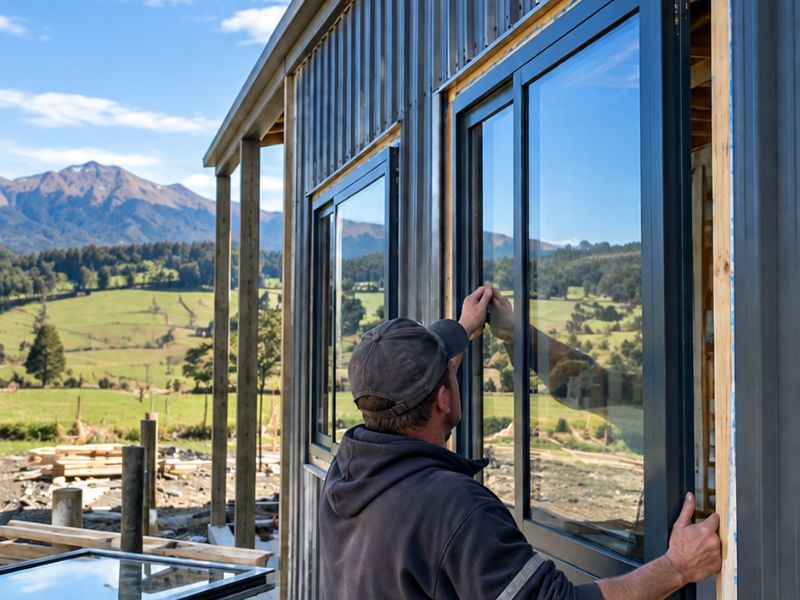
The windows cost was $10,000, and that number deserves attention because it is one of the clearest signs that this was not a standard rural shed build. Windows are part of what makes a shed feel more liveable. They bring in light, help the space feel less enclosed, and make a temporary home far easier to spend time in.
We also know that our CBS (Combined Building Supplies) membership had a lot to do with the low cost of the shed and windows. That detail matters because it explains why these two parts of the build came in where they did. Without that membership, the cost picture may have looked very different. In a project like this, savings on the main structure and glazing can change the whole budget balance.
For anyone comparing comfort-focused shed options, windows are one of the places where the spending becomes visible very quickly. They are not a minor finishing touch. In a space intended for temporary living, they are a major part of the comfort equation.
The garage door and why it was worth including
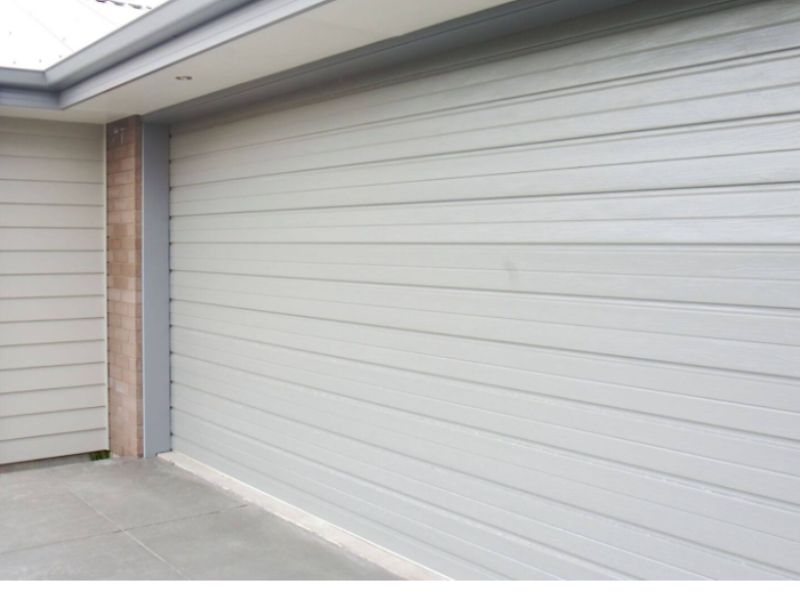
The automatic insulated double garage door cost $3,500, including installation. That is another item that shows how the shed was designed for practical daily use rather than just rural utility.
An insulated door is part of the comfort story because it helps the building behave more like a liveable space than a purely open work shed. The automatic function also makes the space easier to use as part of an active property setup. When you are dealing with temporary living and a future granny flat build, convenience matters. So does keeping the building aligned with how we plan to use it over time.
This is one of those costs that can seem straightforward on paper but makes more sense when you look at the overall project. We were not chasing the cheapest possible shed. We were shaping a building that would work for the way we actually live and build on the property.
Excavation and the site around it
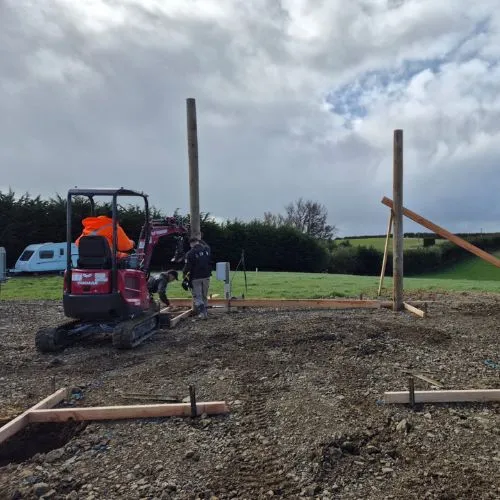
The excavation cost was roughly $15,000, and that included some other work around the site, including the driveway. That broader scope is important. Site costs can be easy to underestimate if you only think about the building itself. In reality, a shed project often depends on the ground and access being sorted properly before the structure can do its job.
Because this excavation covered more than one task, it was doing more than just making room for the shed. It was part of setting the site up in a way that supports the whole property plan. The driveway included in that work is a good example of how one practical spend can help several parts of a project at once.
When people ask what a comfortable shed cost, they often focus first on the building kit. That is understandable, but site work can be a significant part of the total. Our excavation was a clear reminder that a shed is not just a product delivered to a flat pad. It is part of a larger working landscape.
The concrete slab
The concrete slab cost around $13,000. Like the excavation, this is one of the core costs that turns a shed from an idea into a real usable building.
A slab matters even more when the shed is intended to be more comfortable than a standard rural shed. It is part of creating a stable, durable base for the structure, and it supports the next stages of use. In a temporary living setup, the quality and practicality of the base are not side issues. They are foundational.
This is also where the project starts to feel less like a collection of parts and more like a functioning whole. The slab, the kit, the windows, the door, and the site work all work together. None of them alone tells the full story, but together they show how a more liveable shed build adds up.
The total so far
Our total was approximately $68,500.
That total is useful, but only if we are clear about what it includes and what it does not. The figure does not include labour, electrical work, plumbing, or the internal fit-out. Those exclusions matter a great deal. A shed can look reasonably priced until you start adding in the parts that make it functional as a place to live or spend long periods of time in.
So when we say approximately $68,500, we are talking about the approved costs that were stated for this stage of the project: the shed kit set, the windows, the automatic insulated double garage door with installation, the excavation including some site work and the driveway, and the concrete slab. That total is a solid snapshot of where the project stood, but it is not the full cost of turning the structure into a finished living space.
That distinction is important for anyone comparing options. A comfortable shed can seem affordable if you only compare shell prices. Once you add the pieces that make it practical, the number shifts. That is not a problem; it is simply the reality of building something that is meant to do more than one job.
What the budget tells us about comfort-focused sheds
The main lesson from this build is that comfort has a cost, but it also has a purpose. A standard rural shed and a more comfortable shed are not the same thing, even if they share the same basic shape. As soon as you start thinking about temporary living, light, insulation, access, and site preparation, the project becomes a different kind of build.
We can see that clearly in our numbers. The shed kit set and windows alone were a big part of the spend, and the garage door, excavation, and slab all added their own weight to the budget. None of those items feels excessive on its own. Together, they create a shed that is more suitable for living in temporarily while a granny flat is being built.
That temporary use also changes how we think about the building over time. Once the granny flat is finished, the shed will continue to be used as part of the overall property. It is not a throwaway structure. It is one part of a broader plan for the land.
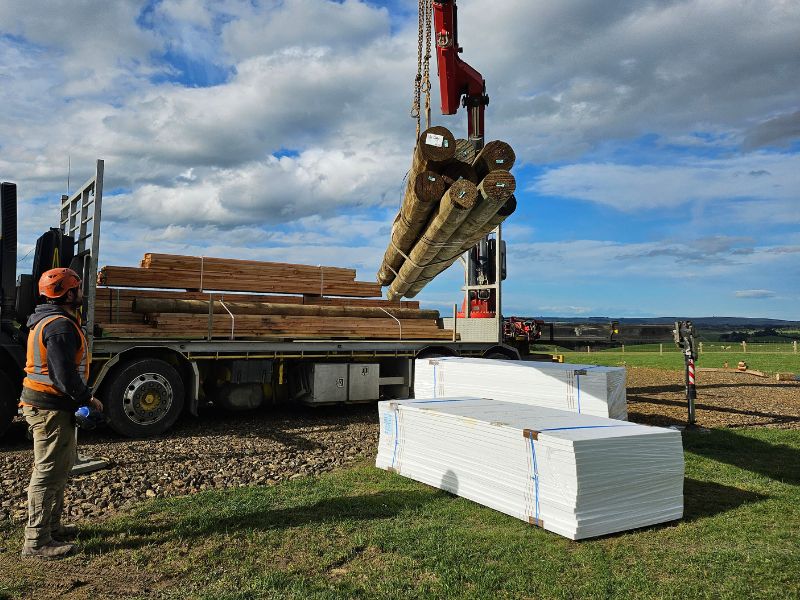
Why the self-build matters
We will build the shed ourselves, and that is a major part of how the project fits together. A self-build changes the way you approach both budget and effort. It means we are taking on the work directly, while the approved total we are sharing does not include labour.
That detail is easy to miss if you are scanning for a headline number. But it is essential. Labour can change the whole shape of a build budget, and leaving it out gives a clearer view of the material and site costs we are talking about here.
For people who are comparing comfort-focused shed options, this is worth remembering. The cost of a shed is not just the structure. It is also the way you plan to deliver the build, the site it sits on, and the level of finish you need for the job it will perform.
The practical takeaway
If we strip this project back to the essentials, the shed cost story is simple: a 9x12 metre shed in New Zealand that was designed to be more comfortable than a standard rural shed came in at approximately $68,500 for the approved items we have listed.
That figure included:
- shed kit set: around $27,000
- windows: $10,000
- automatic insulated double garage door, including installation: $3,500
- excavation, including some site work and the driveway: roughly $15,000
- concrete slab: around $13,000
It did not include labour, electrical work, plumbing, or the internal fit-out.
When we look at it this way, the project makes sense as part of a larger homestead plan rather than as a standalone shed purchase. The aim is not just to own a building. The aim is to create a mortgage-free home in New Zealand, and this shed is one step in that direction.
For anyone planning a similar build, the most useful thing to do is separate the shell from the comfort features and the site work. That gives a far more realistic picture of the cost. It also helps avoid the common mistake of comparing a liveable shed with a basic rural shed as though they are the same project.
Our build shows that they are not.
If you enjoy practical, real-world homestead budgeting like this, The Homestead Letters physical monthly letter subscription is a lovely way to keep following along with the journey.